What Actually Works for Green Algae on Garden Furniture
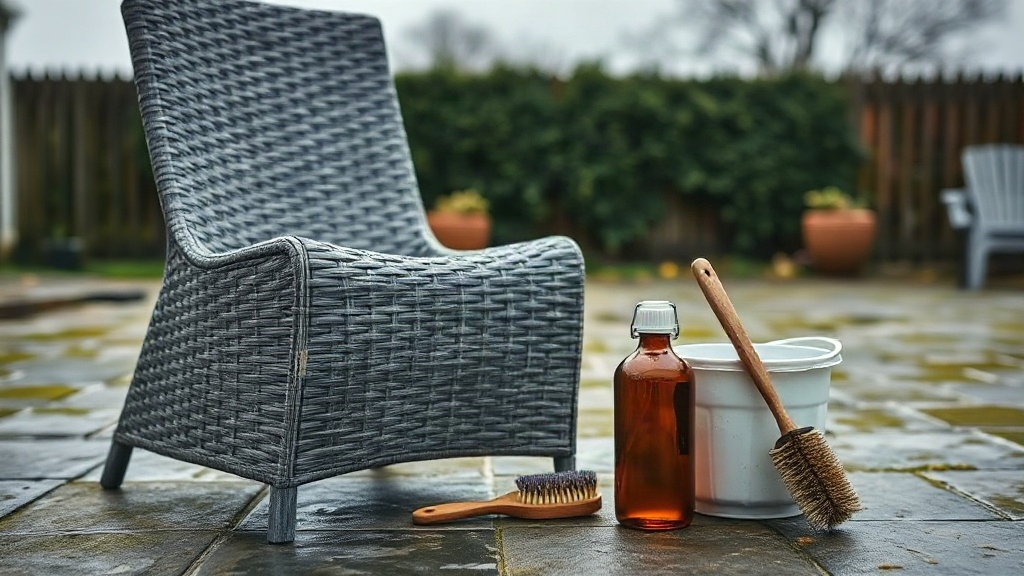
You wake up to a spring weekend, make a coffee, and step out onto the patio—only to find your table and chairs coated in a slippery green film that smells faintly of damp. It’s the same thing that happened last year, and the year before that. You scrubbed it with bleach, it looked clean for a week, and then the green crept back.
Here’s what most advice online ignores: bleach makes the surface look clean, but it doesn’t fix the root cause. In a damp UK winter, that clean-looking result doesn’t hold—the green comes back within weeks, because whatever caused it was never actually dealt with. There’s a better approach, and it comes down to understanding how algae and mould actually grow, not just how they look.
This is about what stops green algae returning for good: why bleach fails in the UK climate, which products deal with the organism rather than just the colour, and how to stop it re-establishing in the first place.
Why the Green Keeps Coming Back
The first thing to understand is that algae on garden furniture is not just a surface stain. Algae and mould are living organisms that attach themselves directly to surfaces such as wood, metal, plastic, and resin-weave materials. They don’t sit on top of the surface; they bond with it.
What makes this worse in the UK is the combination of damp, shade, and limited airflow. If your furniture sits under a tree, against a north-facing wall, or in any spot that stays damp after rain, you’re providing exactly the conditions these organisms love. A wet UK winter can keep surfaces damp for weeks on end, and that extended moisture is what allows algae to establish itself properly rather than just sitting as a light film.
There’s also a practical safety point often overlooked: a slimy algae layer makes every surface slippery. That’s a genuine fall hazard on a patio or deck, particularly for children or older family members. It’s not just an aesthetic issue.
The core problem with most quick-fix approaches is that they treat the colour, not the organism. If the growth underneath the surface remains intact, regrowth is essentially guaranteed—it just takes a few weeks of damp weather to reappear.
Bleach vs the Root: What’s Actually Happening
This is the bit that separates the advice that actually works from the advice that wastes your weekend.
📺 Watch: Cleaning Black And Green Algae And Mold Off Wood With Out A Pressure Washer — Jason Samko
Mould sends out hyphae—thread-like structures that push down into porous materials such as wood grain. Algae doesn’t have roots in that sense, but it doesn’t sit passively on the surface either: it colonises as a biofilm, and studies of algae on building materials have shown it working its way into the interior of porous surfaces, not just the face of them. On a wooden chair leg that means down into the grain; on a resin-weave seat it means into the microscopic pores in the plastic. Either way, the organism ends up living inside the material, not just on it.
Bleach (sodium hypochlorite) is an oxidiser: it strips the colour out of the surface film and kills whatever sits on the very top layer. What it doesn’t do is get down into those pores and that grain—so the mould buried in the wood, or the algae biofilm embedded in the plastic, comes through the clean untouched.
In practice: you scrub the surface with bleach, it looks white and clean, and you feel triumphant. Then a damp fortnight passes and the green is back—because whatever was living inside the material was never touched in the first place.
The alternative is a fungicidal cleaner. These products—including benzalkonium chloride-based formulations—don’t just bleach the colour; they kill the organism itself, not only what’s visible on the surface. Applied correctly in the right conditions, that’s the difference between regrowth in a couple of weeks and regrowth taking months.
The verdict is straightforward: bleach is a surface treatment, not a solution. For any furniture that has to sit through another UK winter, it’s the wrong tool for the job.
If you’ve been battling recurring algae every spring and wondering why the bleach keeps failing, this is your answer. Here’s what to do next—Get the Free Garden Furniture Care Checklist to help you plan the full treatment.
The Verdict: HG or Green Gardener
Two products come up consistently once you need something that deals with the organism rather than just bleaching the surface: HG Algae and Mould Remover, and Green Gardener Outdoor Multi-purpose Cleaner. They own genuinely different parts of the job.
HG Algae and Mould Remover is a fungicidal cleaner built for exactly the mechanism above: it kills the organism, and—per HG’s own product claims—keeps protecting the surface against algae building up again for months after a single application. That’s not a marketing exaggeration; it’s consistent with how a genuinely fungicidal product behaves when it’s used right (dry weather, enough dwell time, a proper rinse).
Green Gardener Outdoor Multi-purpose Cleaner takes a different route: a non-chemical treatment built on naturally occurring bacteria and enzymes that break down organic matter, plus plant-based essential oils and herbal extracts that make the surface inhospitable to regrowth. It’s free from bleach and acids, so repeated use won’t degrade paint or stain finishes—the trade-off is that it’s gentler, and gentler is exactly what some jobs need.
| Feature | HG Algae and Mould Remover | Green Gardener Outdoor Multi-purpose Cleaner |
|---|---|---|
| Type | Fungicidal cleaner | Non-chemical, enzyme-based |
| Primary action | Kills the organism at the source | Breaks down organic matter |
| Best for | Heavy, established infestations | Routine maintenance |
| Bleach content | Contains bleach | Free from bleach and acids |
| Coverage | Single application | Dilutable (approx. 1:20, ~10m² per litre) |
| Cost (approx.) | £9-£10 for 1 litre, more for bigger packs | Concentrate, better value over a season |
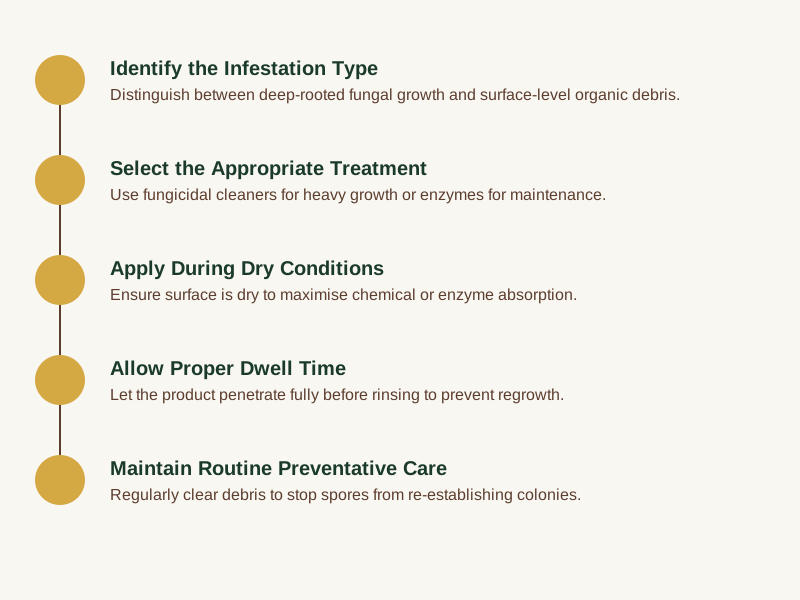
Which one to reach for depends on the scenario in front of you, not on which product wins in the abstract. If you’re dealing with a heavy infestation that’s built up over a whole winter—the kind where you’re scrubbing in sections and the green keeps reappearing before you’ve finished—HG is built for that one-off hard job, and its residual protection is the stronger of the two. A 1-litre bottle runs to around £9-£10 at the big DIY sheds, with larger concentrate packs costing more; for a set you’re trying to rescue rather than replace, that’s a reasonable outlay.
If you want something to use every few weeks through the summer as routine maintenance, Green Gardener is the more sustainable pick. It’s a concentrate diluted roughly 1:20, so a single litre makes up enough diluted solution to cover around 10 square metres—better value over a season than repeated single-use treatments, and gentle enough not to punish the furniture for being cleaned often.
And if the furniture itself rules one product out—delicate rattan-effect weave, or a painted metal frame that a bleach-based product could strip or discolour—Green Gardener is the one to reach for regardless of infestation size, simply because it’s free from bleach and acids by design. Test on a hidden patch first either way, especially on painted or stained finishes, and check the manufacturer’s guidance if you have a specific material concern.
Sources on the products themselves: HG UK, Green Gardener.
Stopping It Coming Back: The UK Conditions That Bring It On
Getting the right cleaner sorted is half the job. The other half is not recreating the exact conditions that grew the algae in the first place.
The RHS notes that algae, moss, and similar growths are drawn to damp, shade, poor drainage, and standing water—conditions most UK gardens have somewhere near the patio. The practical fix is straightforward: improve airflow, drainage, and sun exposure around your furniture. Move pieces to a sunnier spot if you can. Check the feet aren’t sitting in puddles—even a small pool of standing water under a chair leg is enough of a moisture reservoir to keep algae established.
The most common mistake behind repeat regrowth is covering or storing furniture before it’s fully dry. A breathable waterproof cover is genuinely useful, but thrown over damp wood or cushions it traps moisture inside and builds an ideal mould environment—arguably worse than leaving the piece exposed. Let it dry first, ideally a full day in the sun after rain, before it goes under a cover.
Timing the clean itself matters too, and this is more a fact about how these products work than anything specific to algae: apply in dry weather, not during or straight after rain. A wet surface dilutes whatever you’re using and cuts its effectiveness, so picking a dry couple of days—check the forecast first—gives the product time to work before the next shower washes it away.
Material matters as much as timing. Avoid harsh chemicals on delicate finishes: a bleach-based solution will strip some wood stains and can discolour resin-weave, and if you’ve got oiled teak, bleach will lift the finish entirely. Stick to a product designed for the material in front of you and test on a small hidden area first—which is exactly why a bleach-free formula earns its keep on anything delicate.
Where to Go From Here
Skip the bleach for anything beyond a very light surface film. For furniture that’s sat through a UK winter, you need a product that deals with the organism itself—HG for the one-off heavy clean, Green Gardener for keeping on top of it through the season.
The prevention side is genuinely underrated, and it costs nothing: moving furniture to a sunnier spot, drying it before covering, picking a dry window for treatment. Algae doesn’t come back because the cleaner failed—it comes back because the conditions that let it establish in the first place are still there.
Related Guides
For a complete overview, see our How to Clean Garden Furniture Safely (Patio Set Guide).
Put this into practice before the next damp spell sets in. For a step-by-step plan—seasonal timing, product choice by material, and the prevention checklist—Get the Free Garden Furniture Care Checklist.